
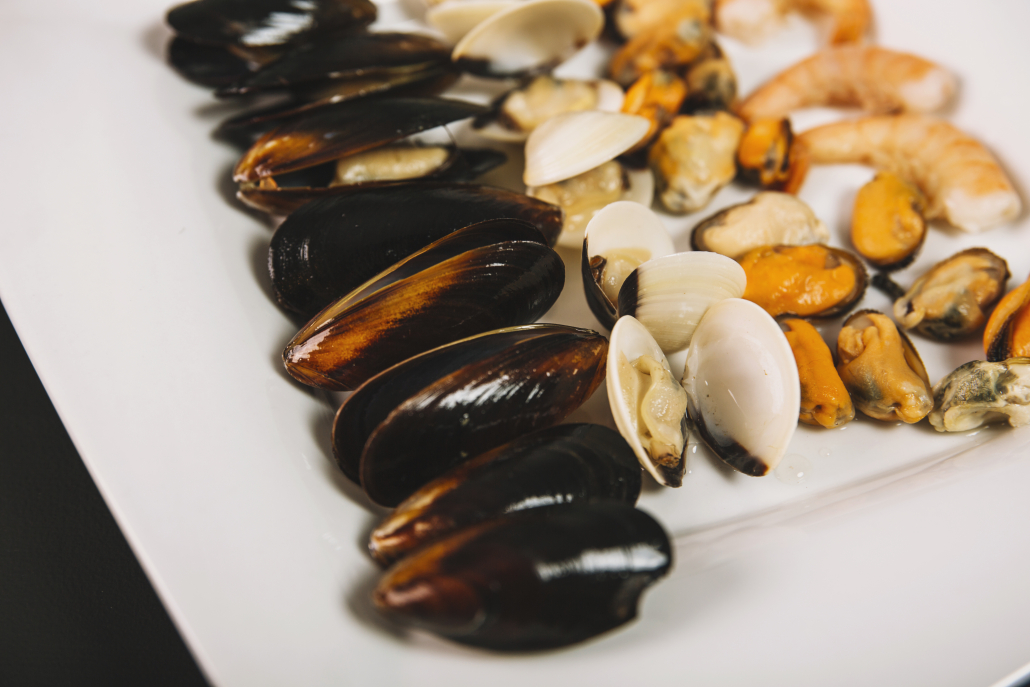
How to Clean and Cook Fresh Seafood at Home to Keep Its Authentic Sea Flavor
Enjoying a great seafood platter at home is one of the true pleasures of Mediterranean cuisine. However, many people hesitate to buy top-quality fresh seafood out of fear of ruining it due to improper cleaning or overcooking.
At Restaurant Tritón, located in Gualta, we work every day with the finest fresh catch from our coast to bring the true essence of the Mediterranean straight to your plate. Today, we are sharing our culinary secrets so you can learn how to clean and cook fresh seafood at home while preserving all its texture, juiciness, and authentic flavor of the sea.
1. Pre-Cleaning: The Key Step to Avoid Impurities
Before turning on the stove, taking a few minutes to properly prep your seafood is essential. Each type requires specific care:
- Shellfish (clams, cockles, mussels): Clams and cockles often hold sand inside. Submerge them in a bowl of cold water with plenty of salt (about 35 grams of salt per liter of water, mimicking seawater) for at least 2 hours in the refrigerator so they purge the sand. For mussels, scrub the shells thoroughly under cold running water and pull off the beards right before cooking.
- Crustaceans (prawns, langoustines, shrimp): If you are grilling them whole on a flat-top, simply rinse them lightly under cold water and pat them completely dry with paper towels. If you prefer to peel or butterfly them along the back, remember to remove the digestive tract (the thin dark vein running along the back) using a toothpick to prevent any bitterness.
- Cephalopods (cuttlefish, squid, octopus): Carefully remove the internal quill (pen), eyes, beak, and innards. If you are pan-searing cuttlefish, we recommend leaving part of its protective membrane intact and saving the brown ink sac (melsa) to add incredible depth of flavor to your pan or sofrito.
2. Exact Cooking Times: Less Is More
The most common mistake when you cook fresh seafood at home is overcooking it. Too much heat leaves the meat dry, rubbery, and flavorless.
Boiled Seafood
For items like prawns, shrimp, crab, or lobster, bring a large pot of water to a boil with 60 grams of coarse salt per liter of water and a couple of bay leaves.
- If the seafood is live, place it in lukewarm water first so the legs don’t detach. If it is already fresh-chilled, drop it straight into vigorously boiling water.
- Approximate cooking times: Medium prawns and shrimp only need 1.5 to 2 minutes once the water returns to a boil. A whole lobster or brown crab weighing around 600–800 grams will take between 12 and 15 minutes.
- The master trick: Immediately after boiling, transfer the seafood into an ice bath (cold water, ice, and salt) for 3 minutes. This stops the cooking process instantly, firms up the meat, and makes peeling effortless.
Pan-Seared or Flat-Top Grilled Seafood
Your griddle or skillet must be piping hot before adding the seafood, using just a few drops of extra virgin olive oil to prevent sticking.
- Scatter a pinch of coarse sea salt onto the hot surface and lay down the prawns or langoustines.
- Cook for 1 to 2 minutes per side, without pressing down on them or moving them around constantly, so they retain all their natural juices.
3. Prefer to Enjoy Without Cooking? Visit Restaurant Tritón in Gualta
While following these tips will guarantee fantastic results in your own kitchen, some days the best plan is simply to sit back and let professionals take care of you.
At Restaurant Tritón (Gualta), we specialize in market-fresh cuisine, prime seafood, and coastal rice dishes right in the heart of the Baix Empordà. Every day, we handpick the finest catch so all you have to do is enjoy great company and a glass of local Empordà wine.
Craving an unforgettable seafood feast or an authentic Costa Brava rice dish? Come visit us in Gualta and discover why we are a culinary landmark in the area. We look forward to welcoming you!
Would you like me to draft a short social media post in English to promote this blog entry once it goes live?


